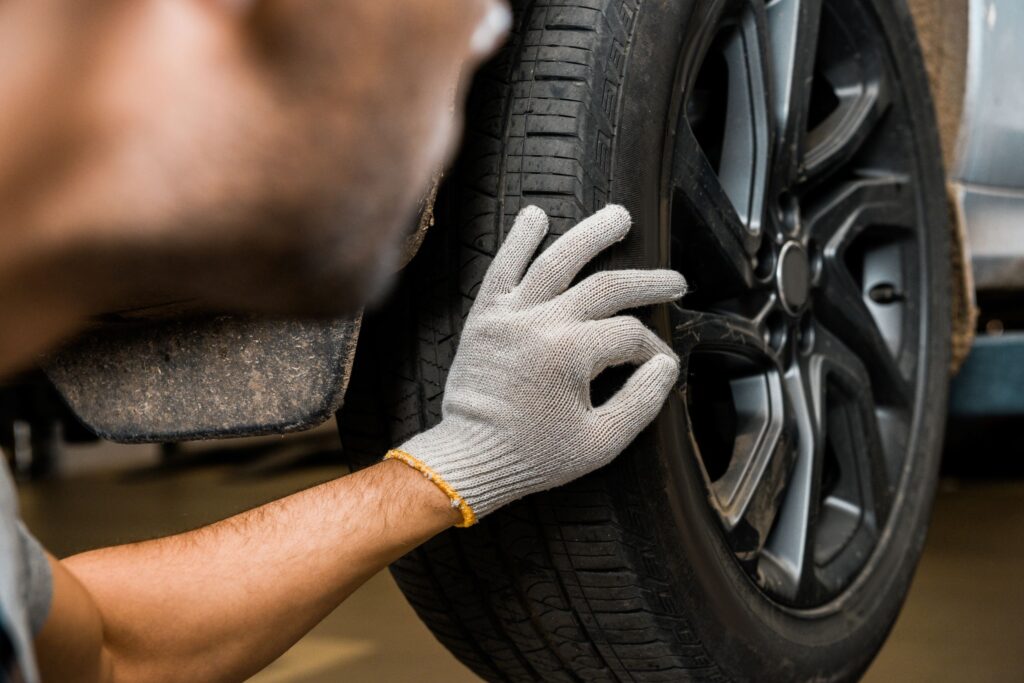

Start Every Beach Trip with Better Traction
Lowering your 4WD tyre pressure before sand driving can help you gain traction and reduce the chance of getting bogged. The right pressure is not the same for every vehicle, though. Your tyres, load, track conditions and towing setup all matter.
November brings longer days and plenty of plans for beach time around Cleveland and the Redlands Coast. Before leaving sealed roads, we recommend checking your tyres, packing a reliable pressure gauge and bringing a portable air compressor. A little preparation can make soft sand far less stressful.
Why Lower Pressure Helps Tyres Float on Sand
Road pressures are designed for sealed surfaces, where tyres need firm handling and efficient rolling. On loose sand, that same pressure can create a smaller contact patch, allowing the tyres to sink and dig in more easily.
Reducing pressure slightly lets the tyre spread out, creating a longer and wider footprint. This helps distribute the vehicle’s weight across more sand, rather than concentrating it in a smaller area. Put simply, the tyre has a better chance of floating across the surface instead of ploughing down into it.
With an appropriate reduced pressure, you may notice:
- Less wheelspin in loose sand
- Better momentum through soft sections
- Less need for heavy throttle
- A smoother path for a loaded 4WD
Pressure is only part of the picture. Gentle acceleration, smooth steering and steady momentum matter just as much. Even with lower pressures, hard throttle can spin the tyres and dig deep holes in the sand.
Beach conditions also change quickly. Damp, firm sand near the waterline can feel very different from dry, churned-up sand higher on the beach. Tides, heat, recent traffic and weather can all affect the surface, so we recommend checking access rules, tide times and local conditions before heading out.
Choose a Safe 4WD Tyre Pressure for Sand Driving
There is no single 4WD tyre pressure for sand driving that suits every vehicle. A good starting point depends on your tyre construction, wheel size, vehicle weight, cargo and the softness of the sand. Your vehicle handbook and tyre manufacturer guidance should always come first.
Many experienced 4WD drivers begin with a moderate reduction, often around 18 to 20 psi, then assess how the vehicle performs. If the sand is particularly dry or soft, a further adjustment may be needed. The goal is to use the lowest pressure necessary for traction, rather than dropping pressure dramatically before you know how the track feels.
Going too low can create problems, including:
- A greater chance of a tyre rolling off the rim
- Sidewall damage when crossing ruts or uneven ground
- Slower, less predictable steering response
- Extra heat and tyre stress if speeds are too high
Before entering the sand, pull over somewhere safe and adjust all four tyres evenly. Check your spare as well. A spare that is flat, damaged or unsuitable for the conditions will not be much help if you need it later.
Avoid judging pressure by sight or by kicking the tyre. A quality gauge gives you a proper reading and takes the guesswork out of the process. If you are unsure about a safe starting point for your vehicle, we recommend getting tyre advice from a qualified professional before your trip.
Adjust for Sand, Load and Conditions
A lightly loaded 4WD will not behave the same way as one carrying camping gear, recovery equipment, passengers and a full roof rack. Added weight can make a vehicle sink more readily, especially in soft sand. Packing thoughtfully and keeping the load balanced can help your tyres do their job.
The sand itself should guide your decisions. Firmer, damp sand may allow you to travel comfortably with a higher reduced pressure. Deep, dry sand may need a lower setting, but changes should be gradual. If you feel wheelspin starting, ease off rather than stamping on the accelerator.
Take extra care when you are:
- Towing a trailer
- Climbing or crossing soft dunes
- Driving in hot conditions
- Following deeply rutted tracks
- Carrying a heavy load
Low range can help keep your speed controlled and provide smoother power delivery when conditions call for it. Sharp turns, fast direction changes and excessive speed put extra strain on tyres with reduced pressure, particularly on uneven ground.
If momentum disappears, stop before the tyres spin deeper into the sand. Assess the situation calmly, clear loose sand around the tyres where safe, and use suitable recovery tracks if you have them. Recovery work can be dangerous, so never place hands, feet or any part of your body near tyres or recovery gear under tension. When in doubt, get experienced assistance.
Restore Road Pressure Before You Head Home
Reduced sand pressures are for soft surfaces only. Once you leave the beach, reinflate every tyre to the vehicle manufacturer’s recommended road pressure before travelling on bitumen. Low-pressure tyres can build up heat on sealed roads, affect handling and wear faster than they should.
A portable compressor should be able to handle all four tyres, plus the spare if needed. Allow extra time at the beach exit, particularly during holiday periods when other drivers may be waiting to air up too.
After a day on the sand, take a few minutes to inspect your vehicle. Look for cuts, punctures, embedded debris, sidewall marks and unusual wear. It is also wise to check wheel nuts, brakes and underbody areas for packed sand, especially after travelling through shallow water or very soft sections.
Get Beach Ready with Local 4WD Tyre Advice
Good sand driving starts before you reach the beach. We recommend checking tyre condition, carrying a pressure gauge and compressor, packing appropriate recovery gear and understanding the access conditions for the area you plan to visit. A tyre inspection and wheel care check can also help identify concerns before they become a problem away from sealed roads.
The best 4WD tyre pressure for sand driving is the one that suits your vehicle, load and the sand beneath you. Lower pressure can improve traction, but it should always be balanced with sensible speeds, smooth driving and proper reinflation before the trip home.
Prepare Your 4WD With Confidence
At Goodyear Autocare Cleveland, we can help you choose suitable tyres and understand 4WD tyre pressure for sand driving before your next beach trip. Our team can also inspect your tyre condition, tread and valve caps to help ensure your setup is ready for changing terrain. For personalised advice or tyre assistance, contact us today.